





Some journeys stay with you long after you’ve returned home, and it’s often hard to explain exactly why. Not because they’re filled with famous landmarks, but because every day brings something different. Following the Zambezi from the thunder of Victoria Falls to the untouched wilderness of Lower Zambezi National Park was one of those journeys.
One moment you’re standing beside one of the world’s greatest natural wonders, the next you’re driving quiet roads through remote landscapes, crossing small villages and watching life unfold along the banks of one of Africa’s most iconic rivers.
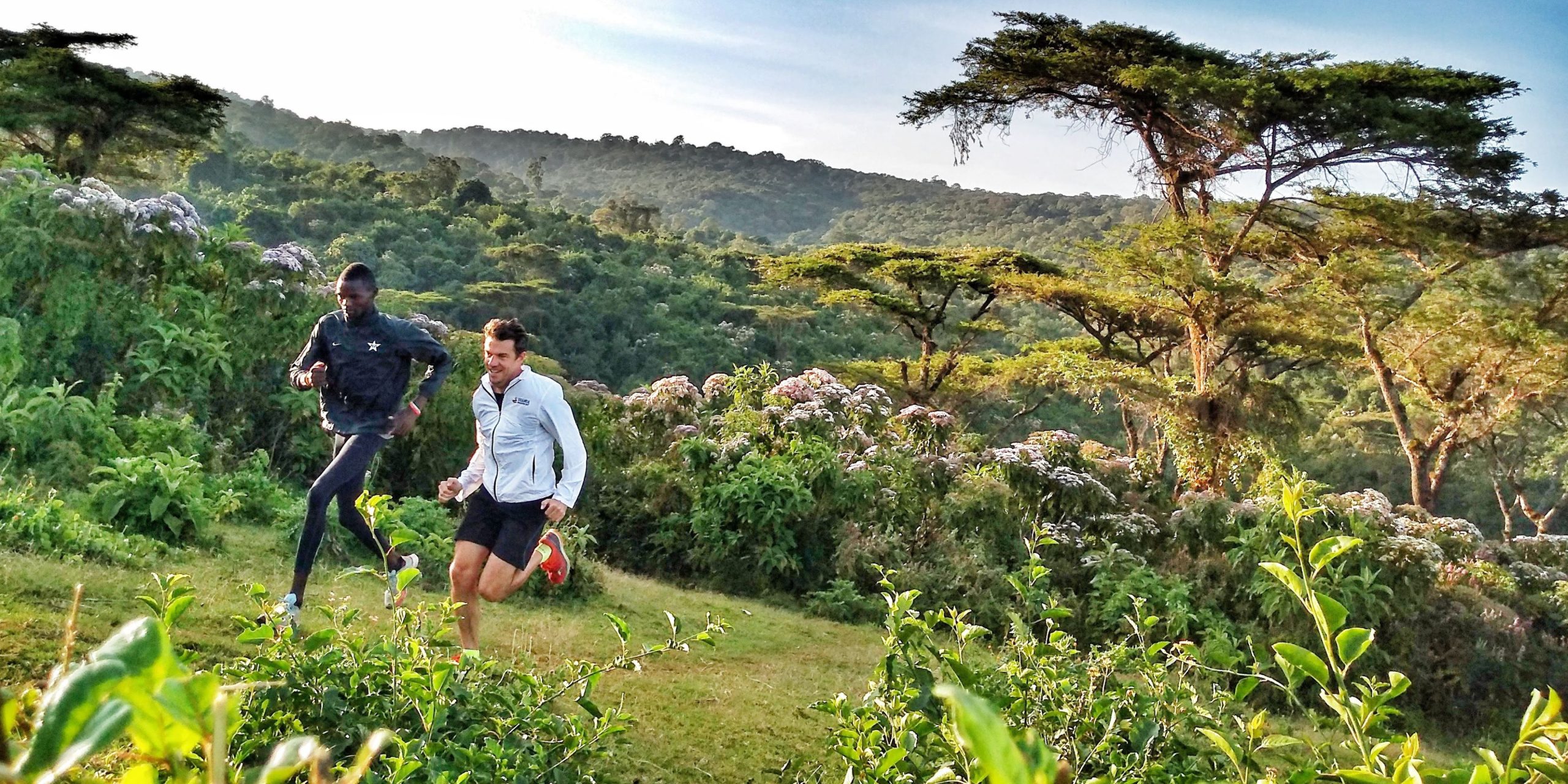
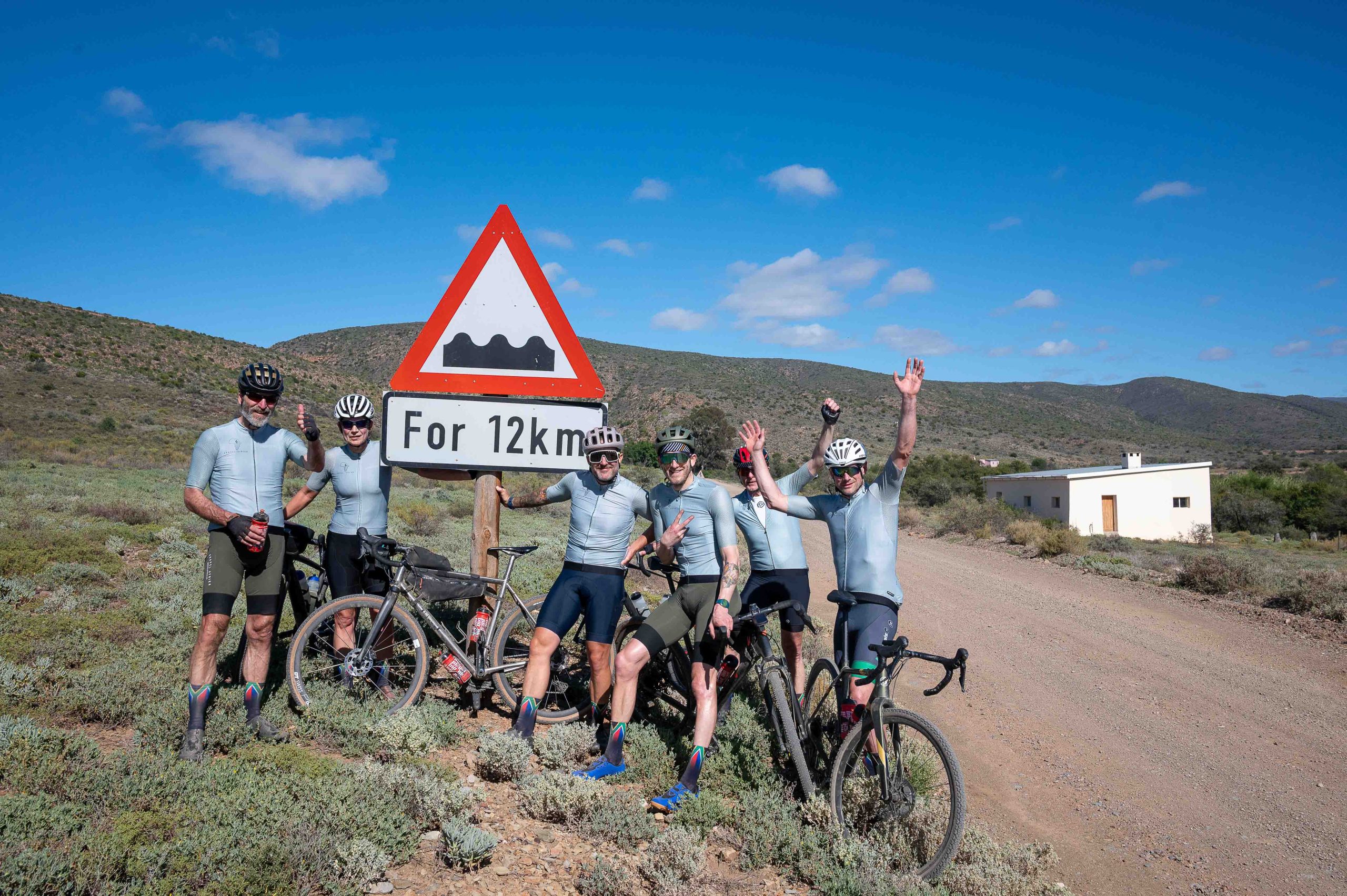
I explored this route during an adventurous cycling expedition with Gravel Africa, but from the very first day I kept thinking the same thing: this would also make an incredible self-drive adventure. The roads are quiet, the scenery changes constantly, and every bend in the road reveals something new.
Victoria Falls at its Best
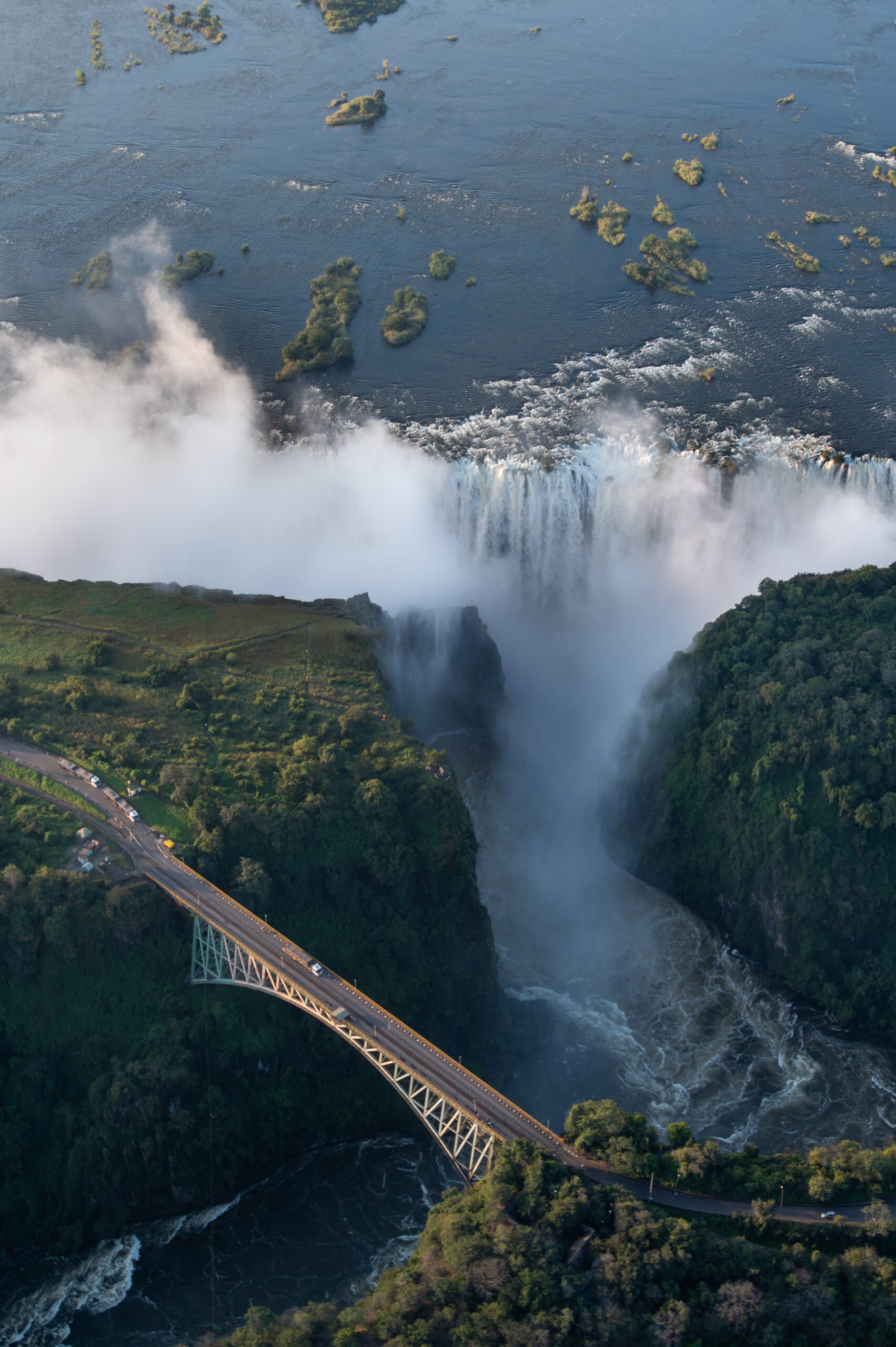
Our journey began at Victoria Falls in Zimbabwe. Although it wasn’t my first visit, it was by far the most spectacular. Previous trips had taken me there in November, when the water levels are much lower. This time we arrived in May, shortly after the rainy season.
The difference was remarkable.
From the helicopter we watched millions of litres of water plunge into the gorge below, sending enormous clouds of mist hundreds of metres into the air. It’s easy to understand why the falls are known locally as Mosi-oa-Tunya – The Smoke That Thunders. Seeing them from above puts everything into perspective. Only then do you truly realise the immense scale and power of Victoria Falls.
Beyond Victoria Falls
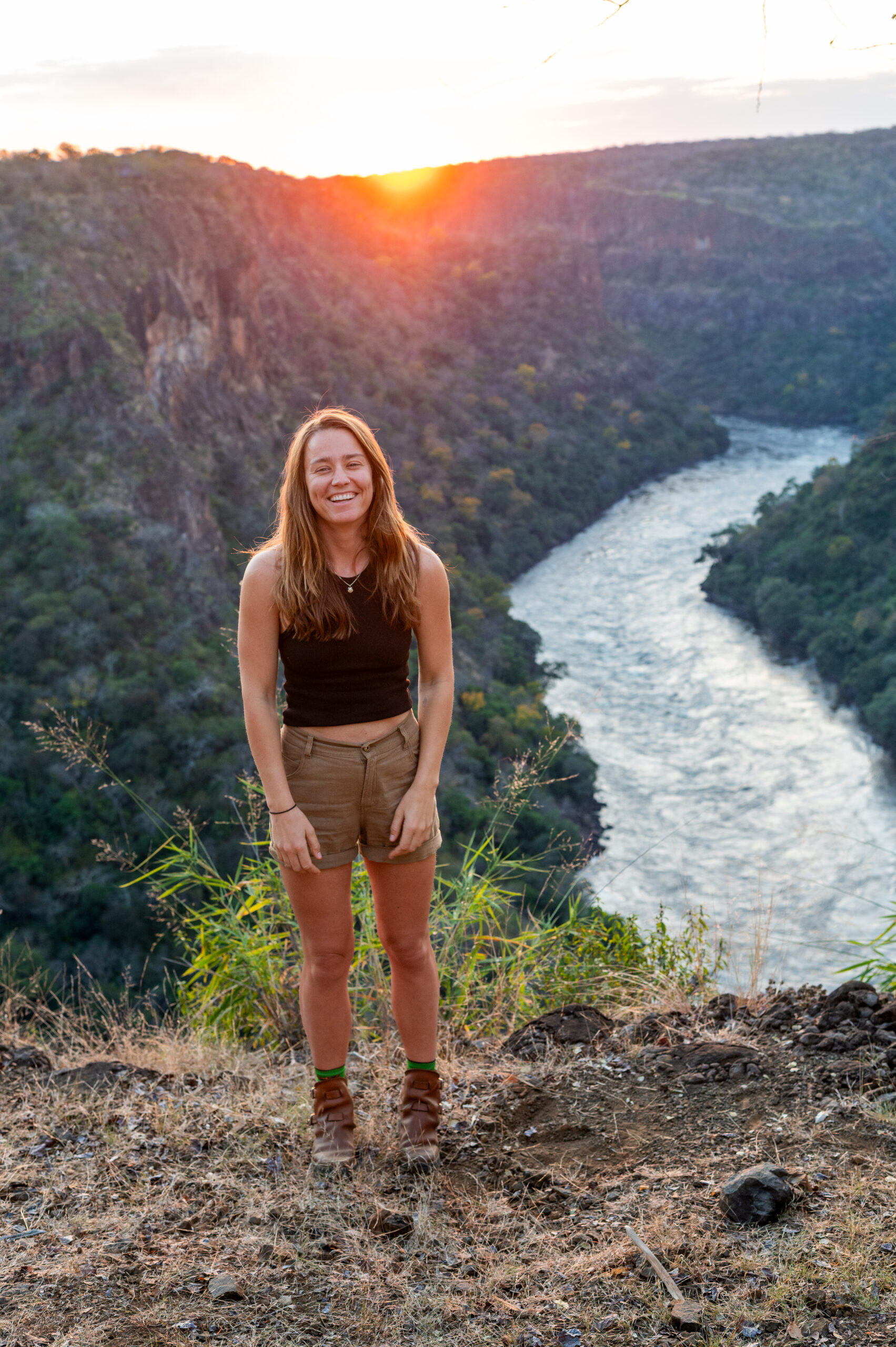
Leaving Victoria Falls behind, we drove to a small adventure farm set within a rural community, where we spent our first night. From the farm, we took a short fifteen-minute walk to the Zambezi Canyon. The trail led us along sandy paths, past grazing cattle and goats, beneath beautiful trees and through the surrounding community. Then, suddenly, the landscape opened up. Far below us, the Zambezi carved its way through the dramatic gorge. Later in the journey we would experience the river from the water itself, but standing high above the canyon gave us a completely different perspective. As the sun slowly began to set, we enjoyed a cold drink overlooking the canyon. Watching the light change over the gorge while listening to the sounds of nature was the perfect way to end the afternoon.
Back at the farm, a delicious homemade dinner was waiting for us. Most of the vegetables had come straight from the garden, and you could taste how fresh everything was. Sitting around the table together, enjoying good food after our first day of exploring, was the perfect way to end our first evening in Zimbabwe.
Towards Deka, on the Banks of the Zambezi
After leaving the Zambezi Canyon behind, we continued our journey towards Deka. Once again, the scenery changed completely. The road took us through small villages where tourism is still rare. Along the way we stopped several times to chat with people we met. Almost everyone speaks English, which made those conversations easy and genuine. Those unexpected moments were some of the things I enjoyed most about this route.
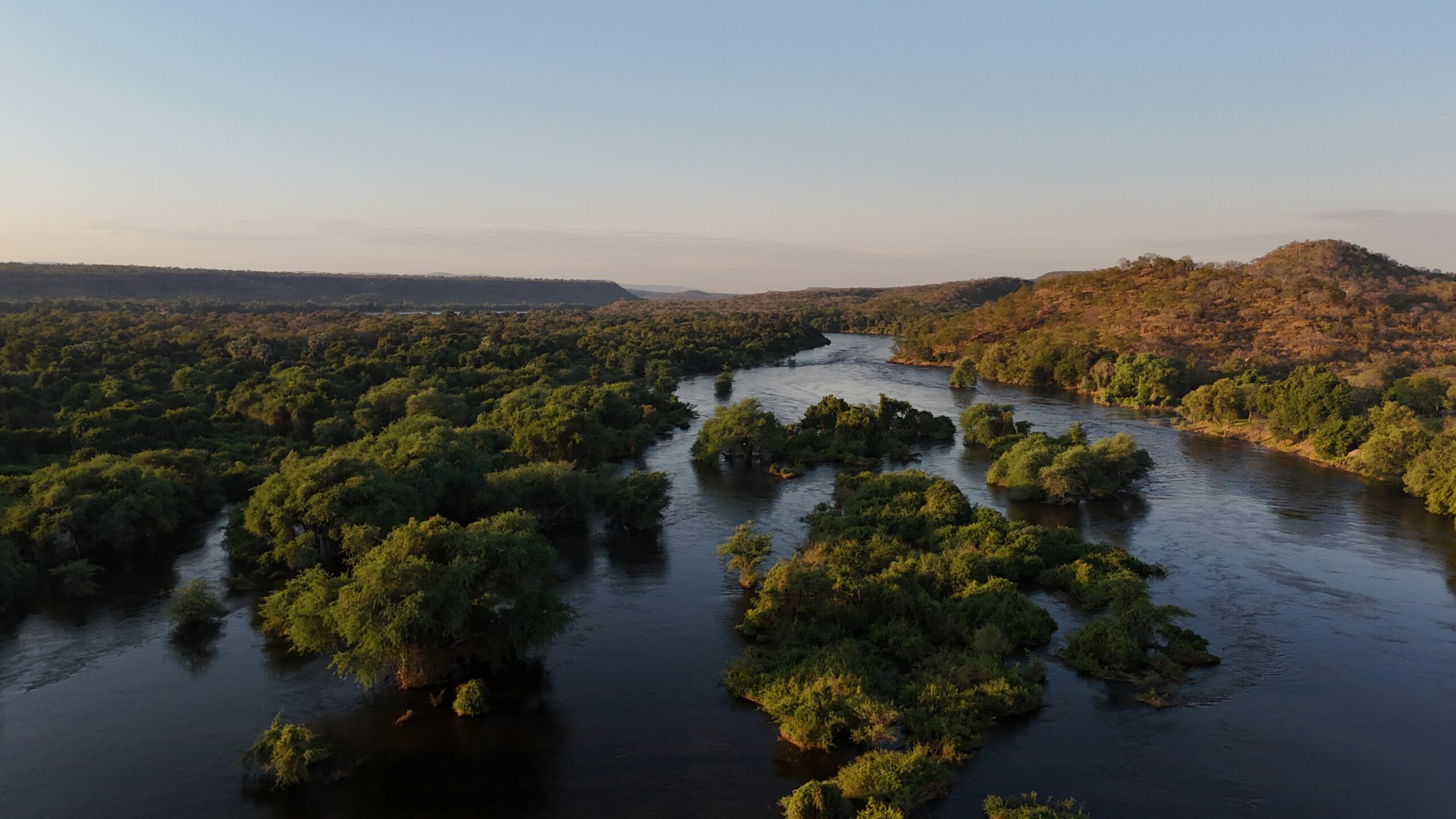
As we drove on, the deep canyon slowly disappeared and the Zambezi transformed into a wide river. It was fascinating to see how the same river could look so different in just a day.
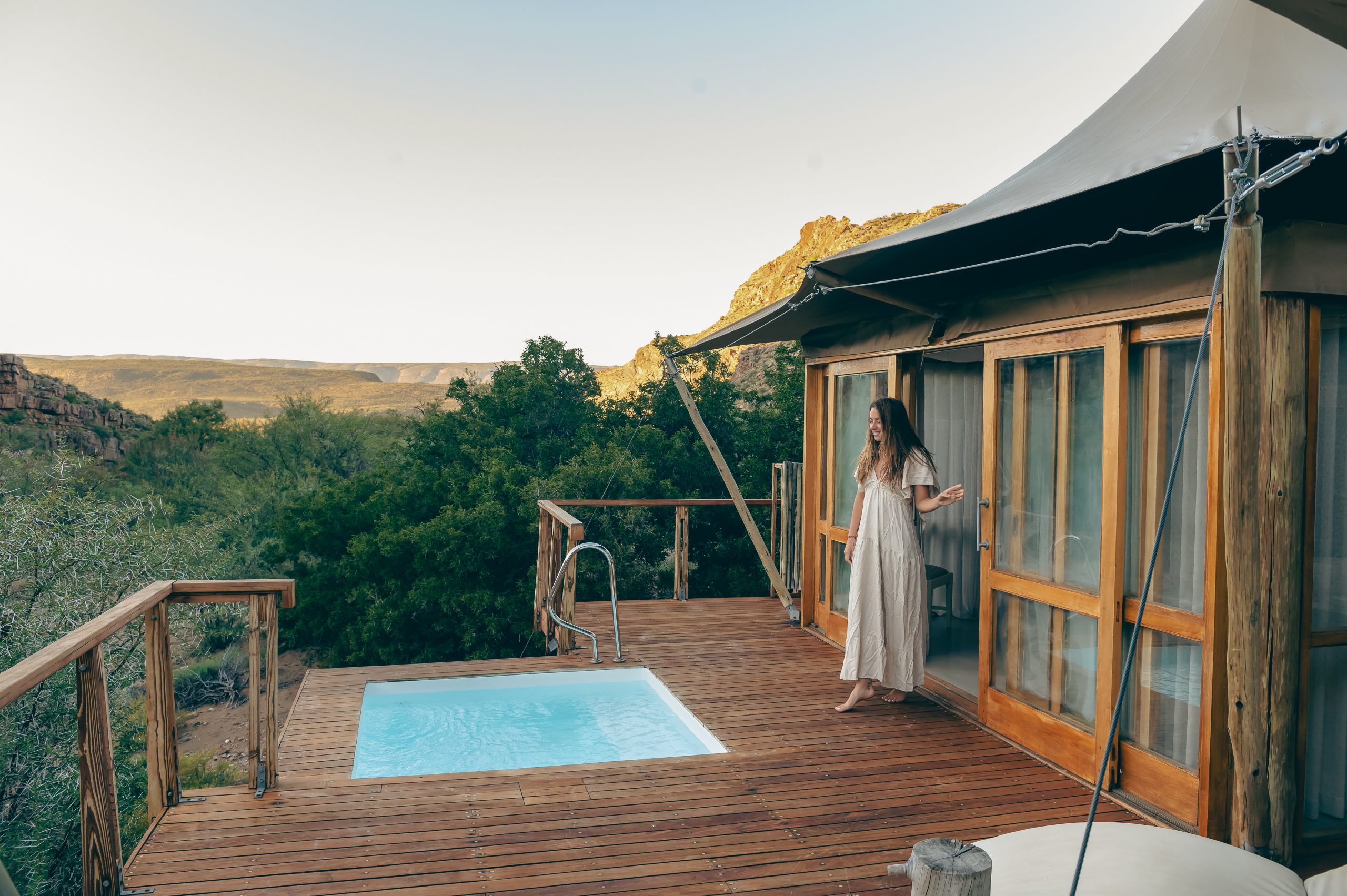
By the end of the afternoon, we arrived at our lodge on the banks of the Zambezi. While the sun slowly disappeared behind the river, we enjoyed dinner with an incredible view. Hippos could be heard calling from the water, while kingfishers flew back and forth, diving into the river in search of fish.
It was the perfect ending to another unforgettable day and our first real experience of the Zambezi in all its beauty.
More Than Just Beautiful Landscapes
From Deka, we continued towards Mlibizi, the small town on the shores of Lake Kariba where the ferry departs. Once again, the drive was beautiful, taking us through wide-open landscapes, small villages and quiet roads that seemed to go on forever.
But along the way, you also notice another side of Zimbabwe.
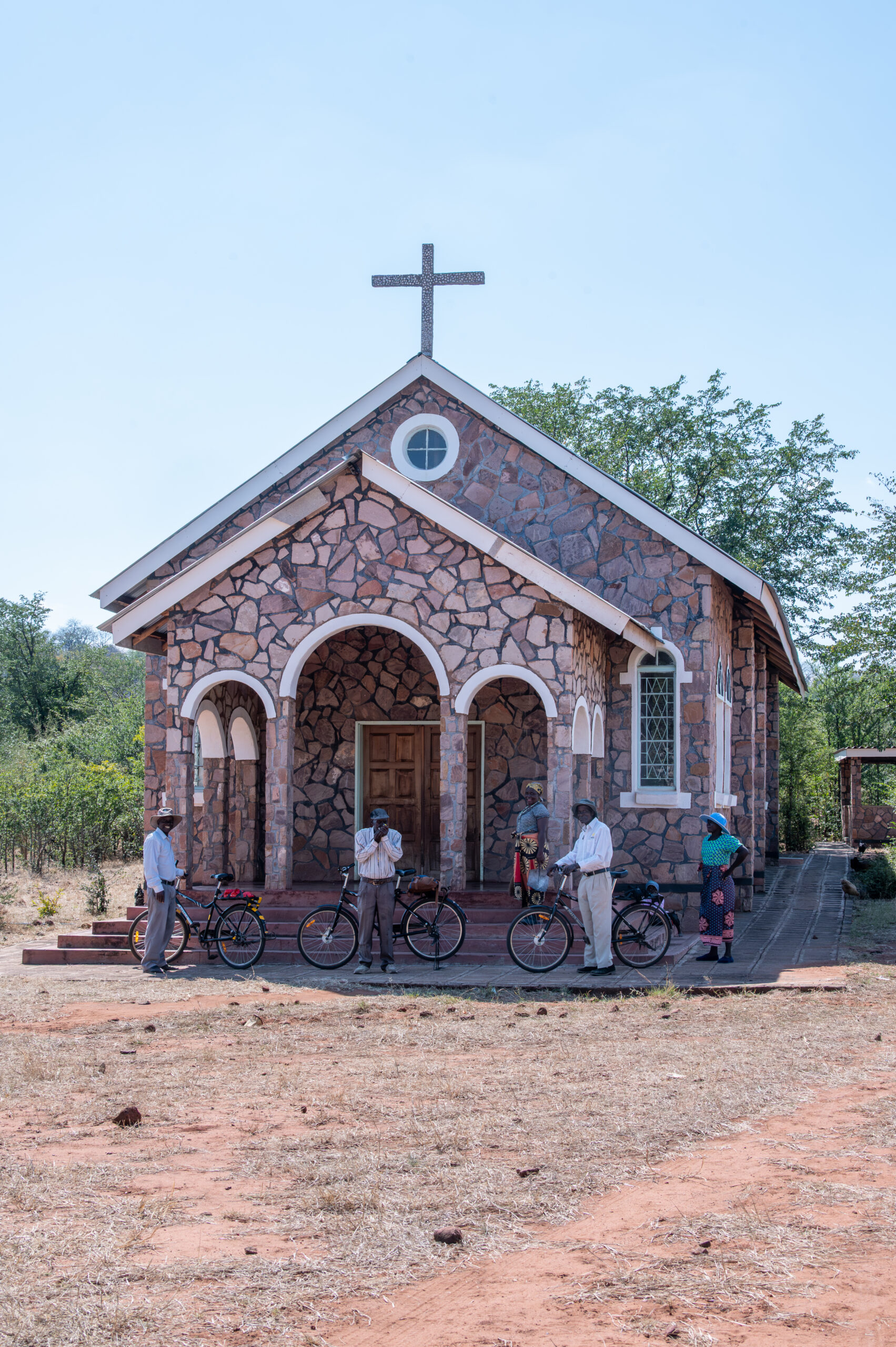
The country has been through difficult times, and in many places you can still see the impact today. Every now and then we passed old lodges that were once popular with travellers but now stand almost untouched, as if time has stood still. Some buildings and houses tell the same story. They are reminders of a period when tourism almost disappeared and investment came to a halt.
For me, creating journeys is about more than just showing people the highlights. I want travellers to experience a country as it really is, the breathtaking landscapes, the incredible wildlife, but also the history that has shaped it.
Along this route, you can still see the impact that past events have had on Zimbabwe. I believe it’s important not to look away from that, but to understand it. By learning about the country’s history and seeing its impact with your own eyes, you gain a deeper appreciation for Zimbabwe, its people and the resilience that continues to shape its future.
That is the kind of journey I hope people take home with the, not just beautiful memories and incredible wildlife sightings, but also a better understanding of the places they have visited and the stories that make them what they are today.
A Memorable Ferry Crossings
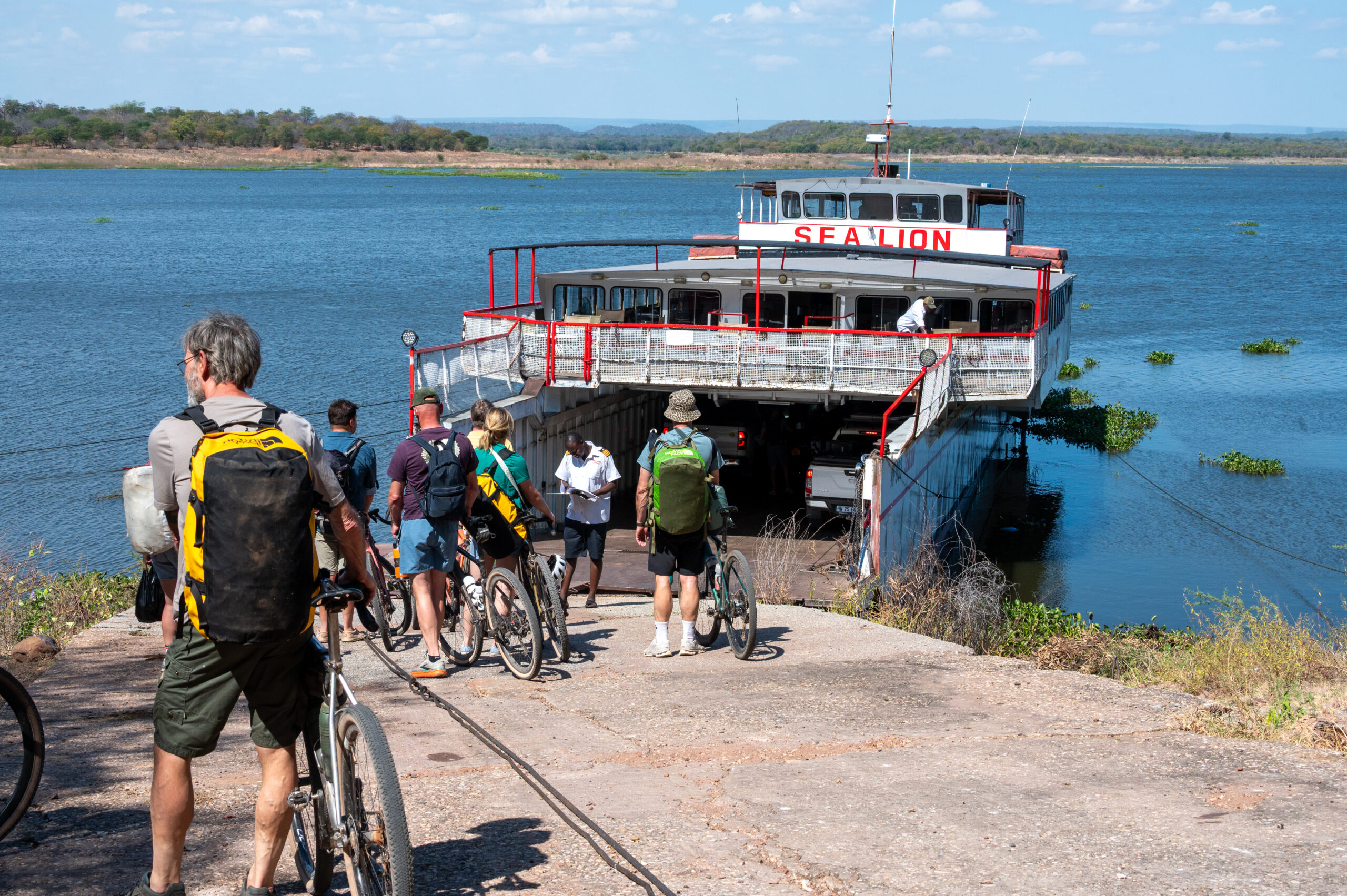
The following morning, we boarded the Sea Lion, the ferry that would take us across Lake Kariba to Zambia in about 24 hours. To be honest, I didn’t expect much. I thought it would simply be a practical way to get from one side of the lake to the other, but I couldn’t have been more wrong.
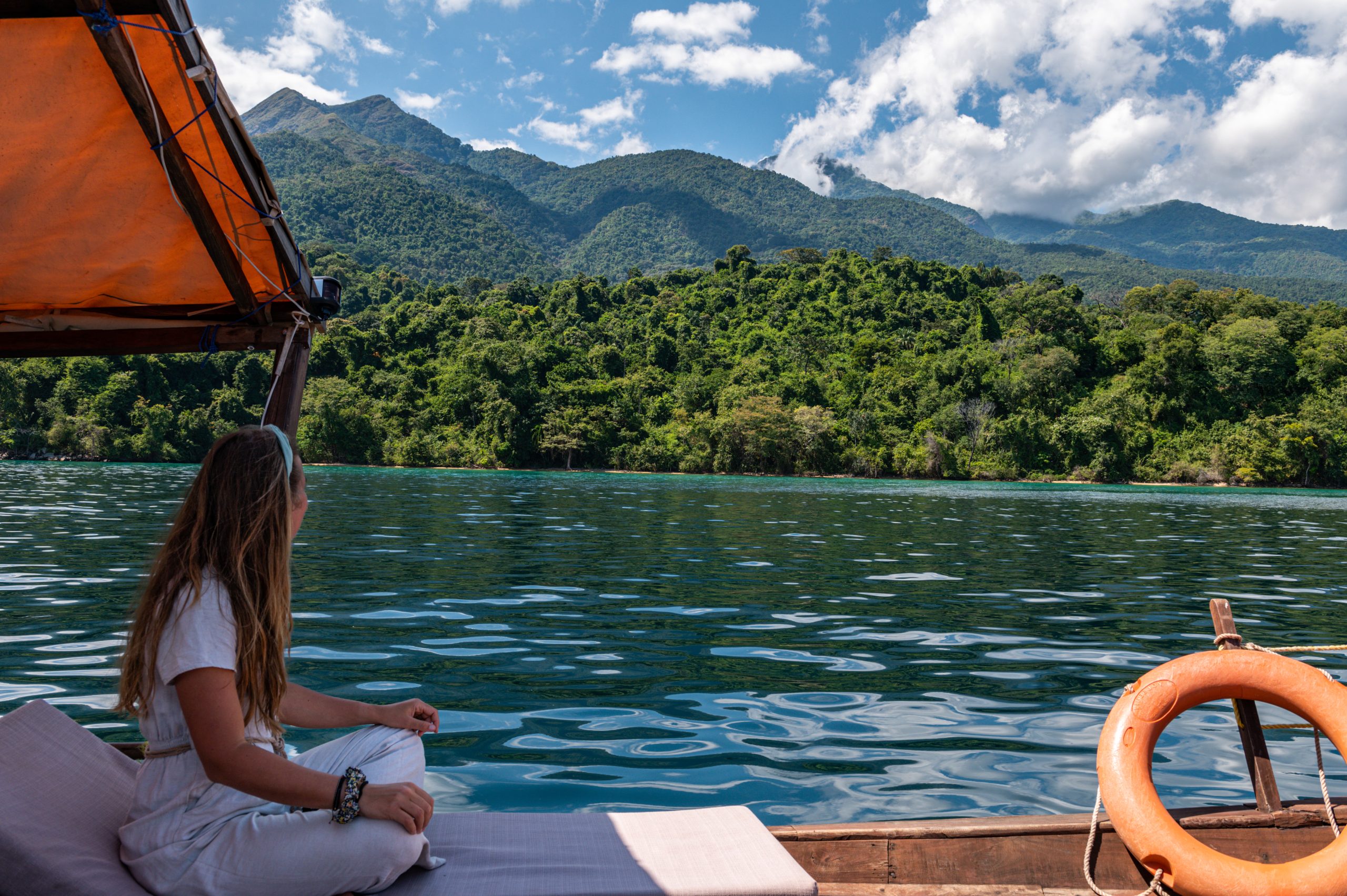
As the ferry slowly pulled away from the small harbour, if you can even call it a harbour. We settled in for lunch while Lake Kariba stretched out in front of us. The lake is enormous, and the scenery changes constantly throughout the journey. Along the shoreline are small fishing communities where daily life revolves around the water. Everywhere we looked, fishermen were out in their small wooden boats. It’s clear that life here isn’t easy, and that makes you appreciate even more the friendly waves and smiles we received as the ferry passed by.
The afternoon slipped by with card games, good conversations and hours spent simply watching the world go by. After dinner, the seats inside were transformed into surprisingly comfortable beds, but together with my father, Janine and Roel, I decided to sleep outside on the deck.
It turned out to be one of the highlights of the entire journey.
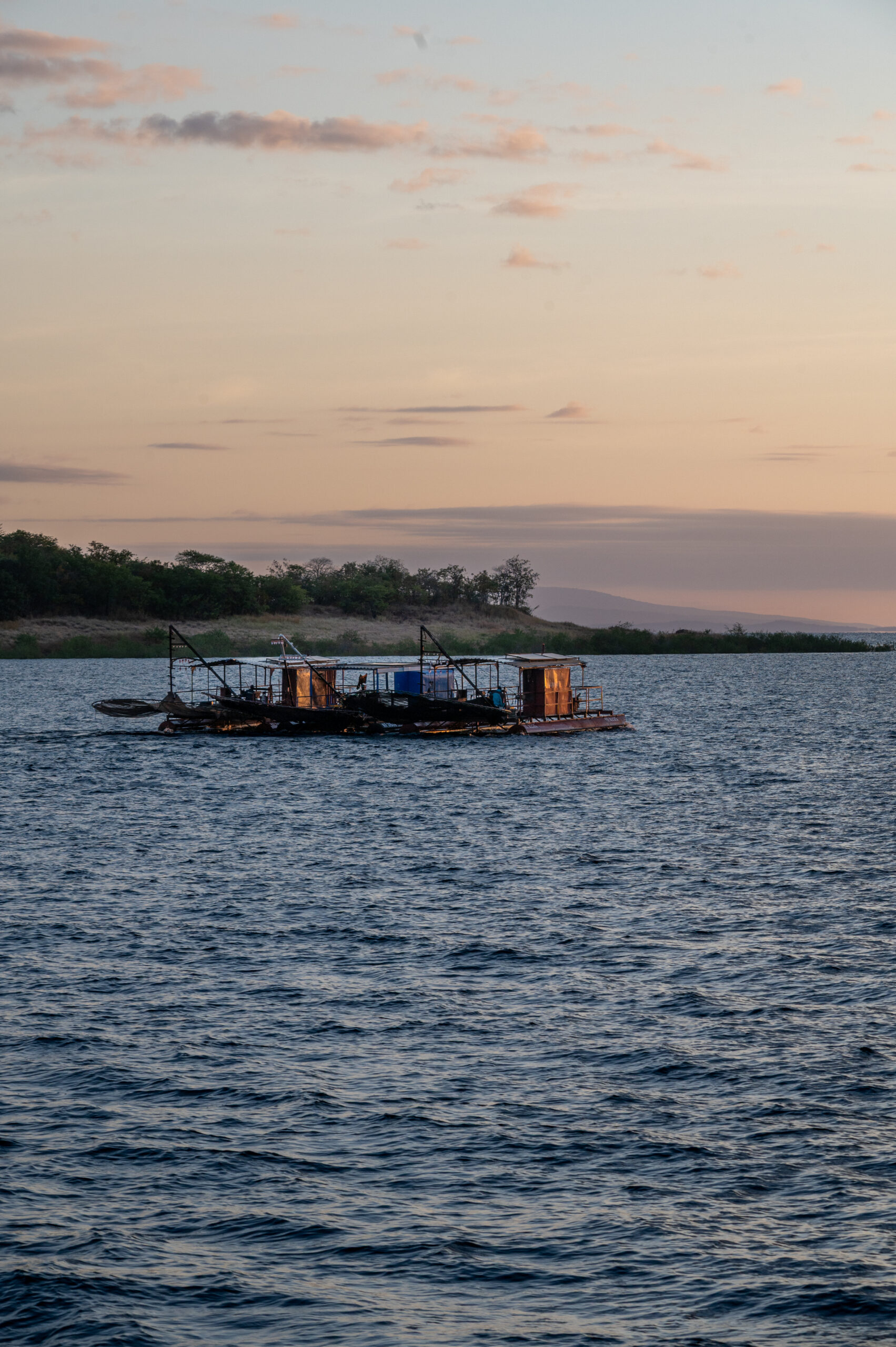
Above us was a sky filled with stars, while across the lake hundreds of tiny lights appeared on the water. These were the kapenta boats, small fishing boats that head out every night using powerful lights to catch kapenta, a small freshwater fish that is an important source of food and income for many families living around Lake Kariba. It is hard work that continues throughout the night, and seeing those lights scattered across the lake was both beautiful and humbling.
Lake Kariba also has a remarkable history. When the Kariba Dam was built, the water rose much higher than expected, flooding entire valleys. During Operation Noah, more than 6,000 wild animals stranded on newly formed islands were rescued and relocated to the mainland—one of the largest wildlife rescue operations ever carried out.
The following morning we arrived in Kariba, where the impact of Zimbabwe’s history was once again impossible to ignore. From there, we crossed the dam and continued our journey into Zambia.
Into Zambia
After arriving in Kariba, we crossed the impressive Kariba Dam and made our way into Zambia. Also here, the history of the region is still visible. The harbour looks worn, and many of the buildings are reminders of a time when tourism almost came to a standstill.
Once we crossed the border, the landscape changed completely.
Honestly, I couldn’t believe how beautiful it was.
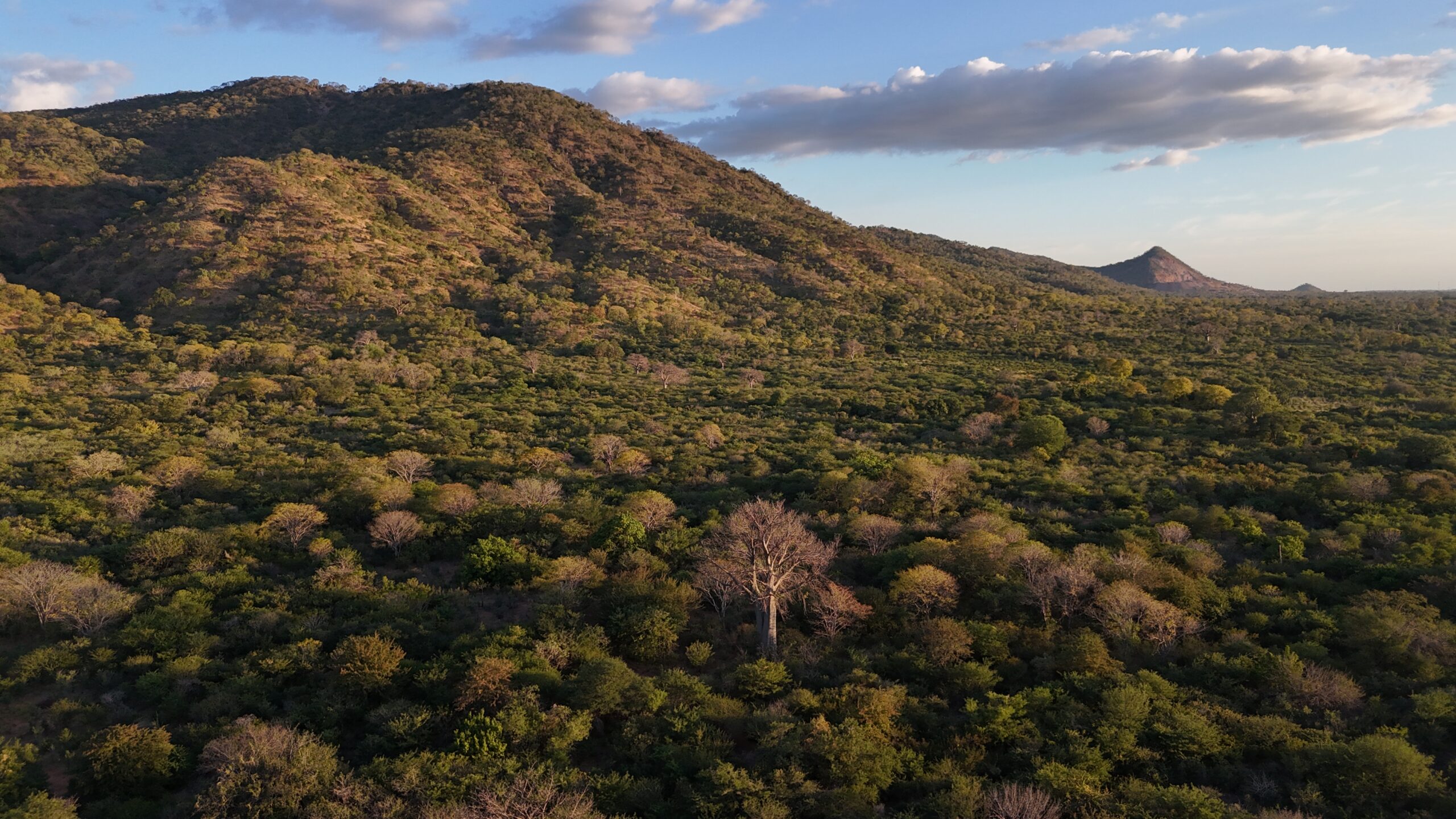
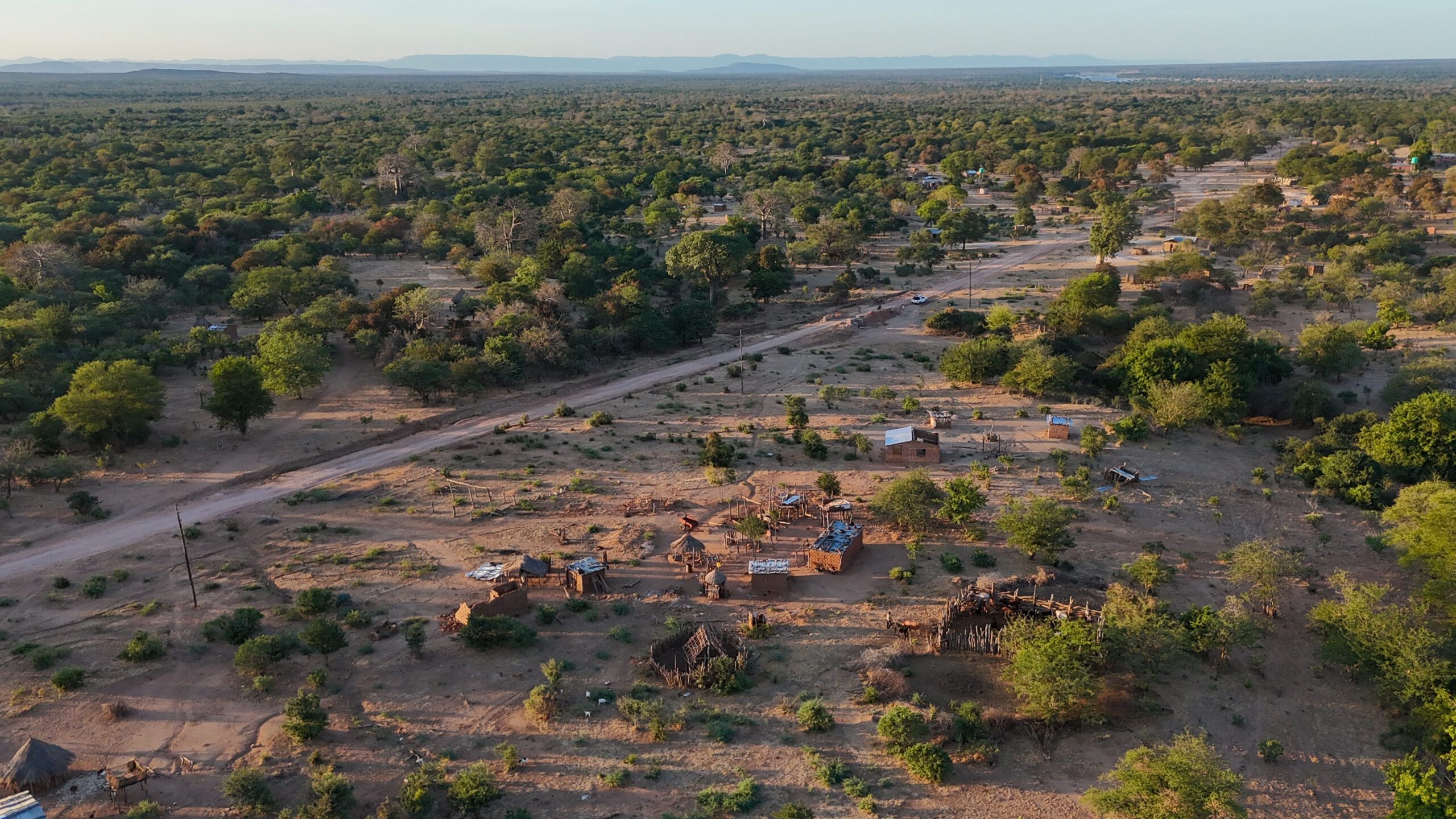
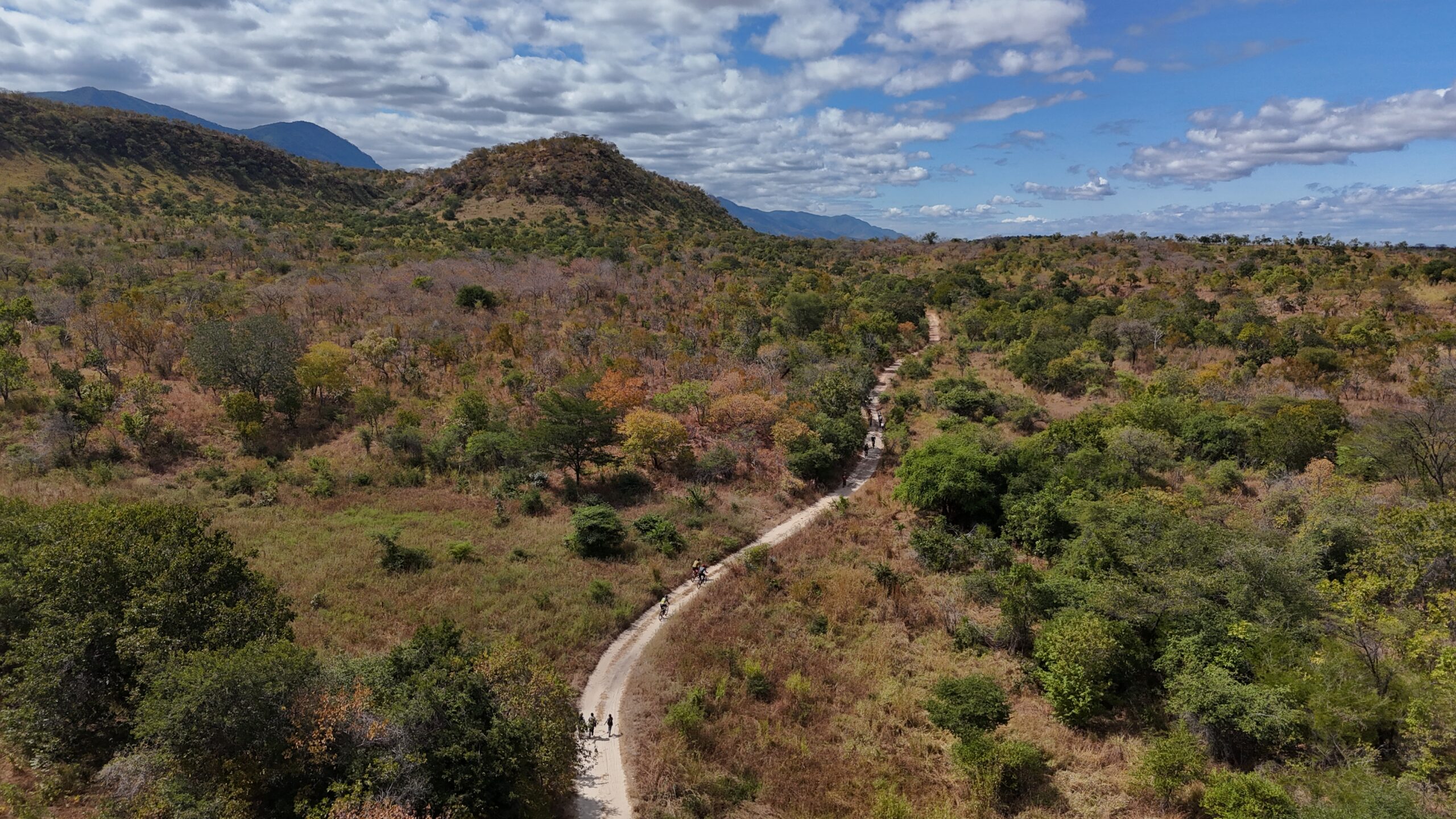
The road follows the Zambezi through rolling hills, past enormous baobab trees and small villages where everyday life unfolds along the roadside. Around every corner there seemed to be another incredible view. It was one of those drives where you constantly feel like stopping to take another photo.
By the end of the afternoon, we arrived at a small lodge on the banks of the Zambezi. As the sun slowly disappeared behind the river, we enjoyed a delicious homemade dinner while listening to the deep calls of hippos echoing across the water. It was the perfect ending to another unforgettable day.
Sleeping on a Sandbank in the Zambezi
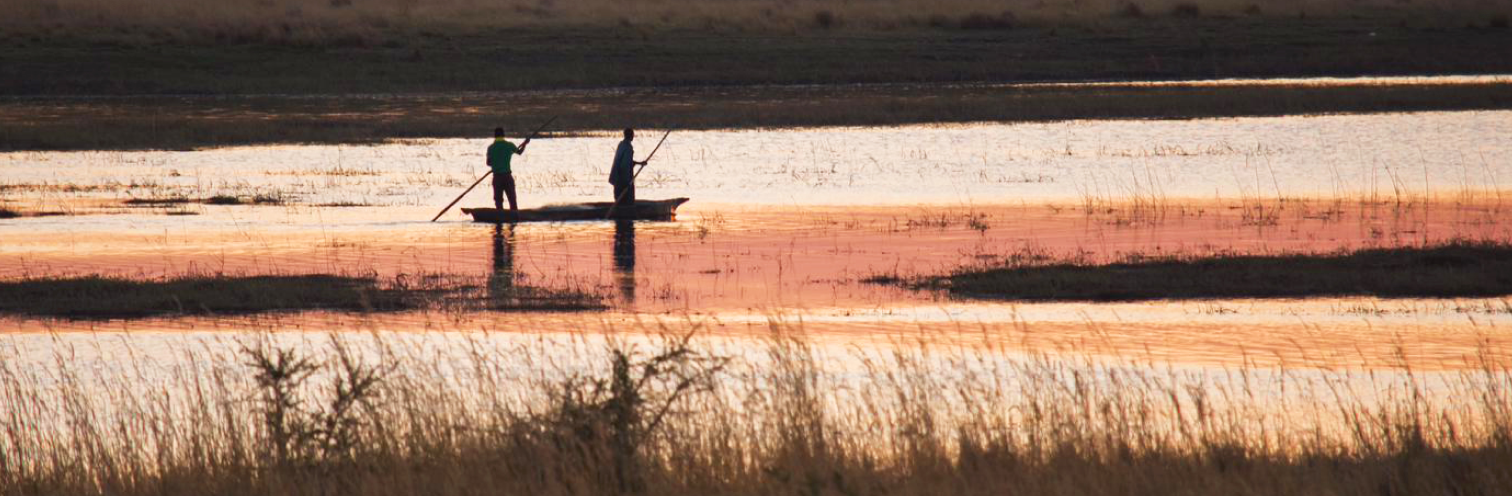
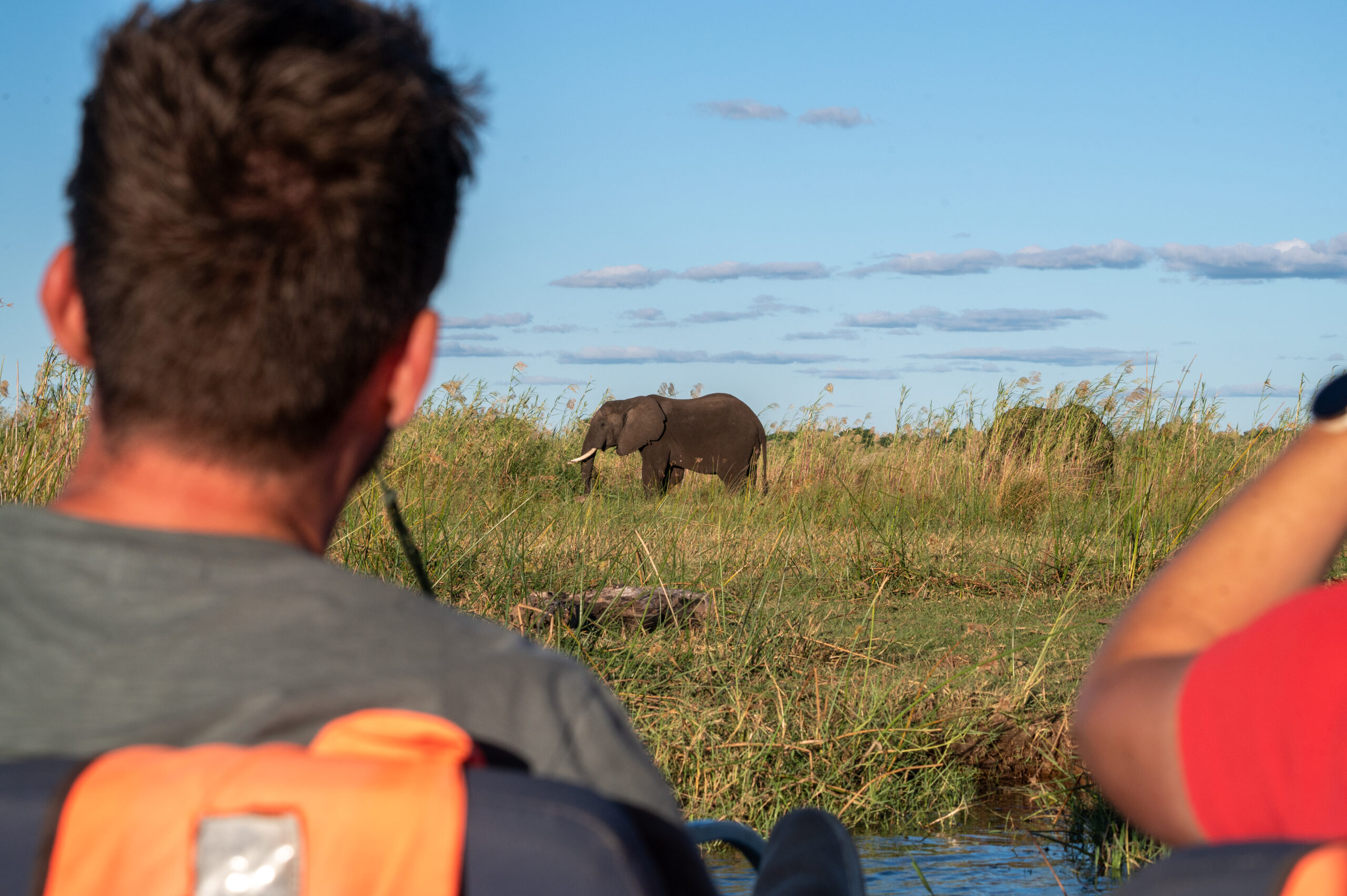
The next afternoon, we drove through a series of small villages to our next lodge on the banks of the Zambezi. After a quick check-in, we headed straight out on a sunset boat safari. Along the way we spotted crocodiles, pods of hippos, elephants coming down to the river and countless colourful bee-eaters darting just above the water. It was the perfect way to end the day.
But the real adventure was still to come.
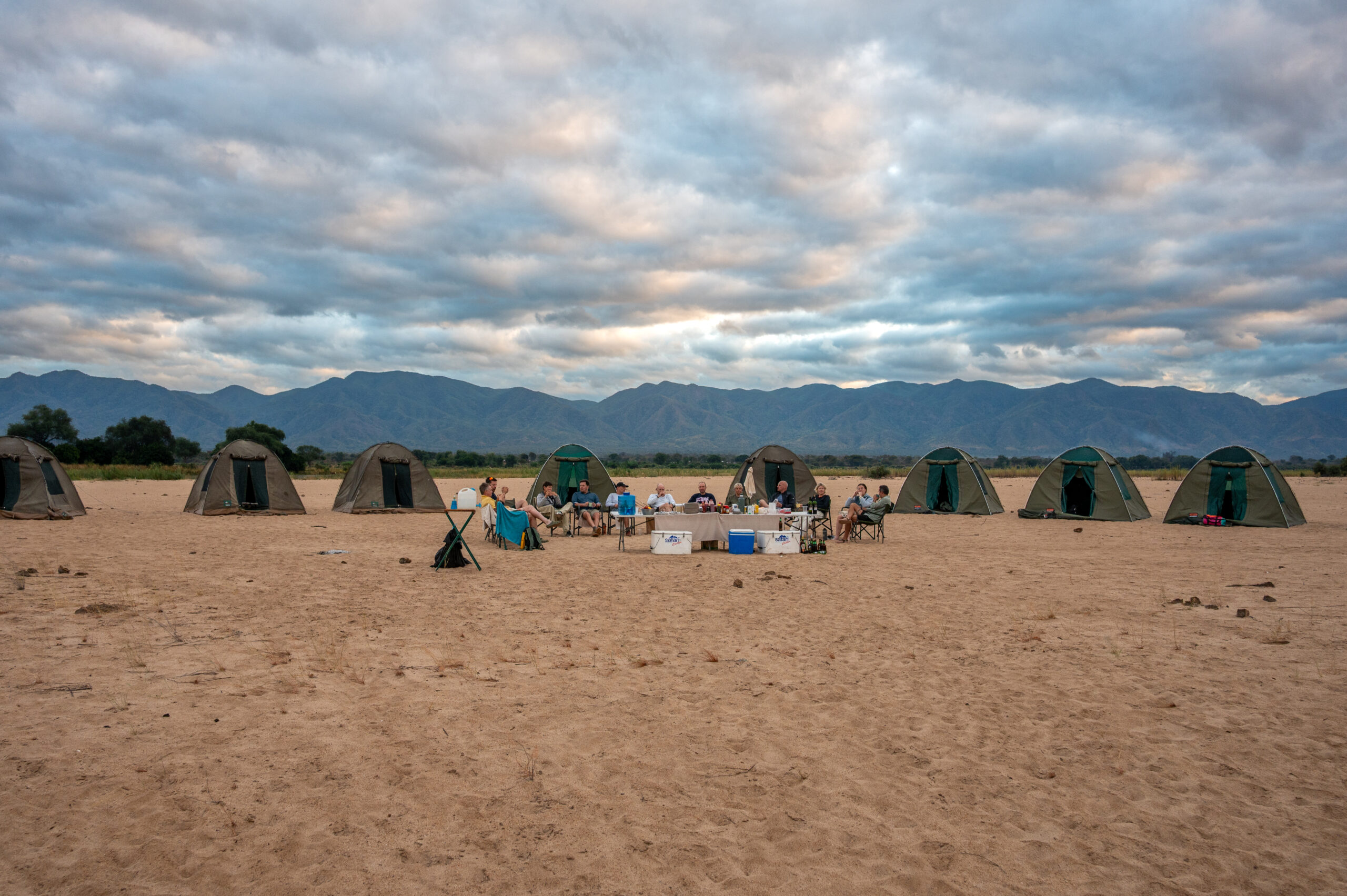
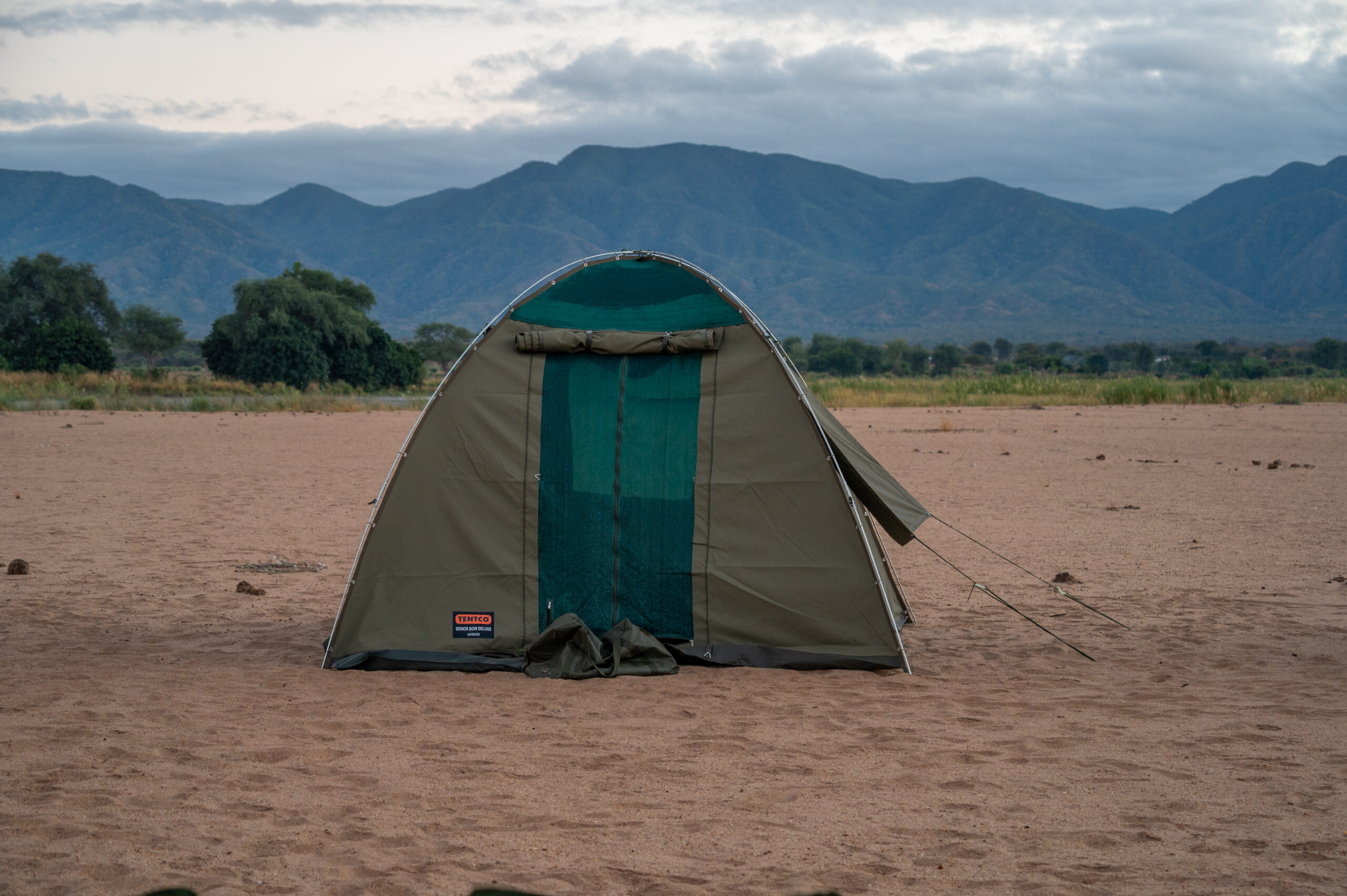
The following morning, we climbed back into the boat and travelled further upstream, deeper into the Zambezi. Eventually, we reached a remote sandbank in the middle of the river. This would be our home for the night.
While the guides set up our tents and prepared dinner over an open fire, we took in the incredible surroundings. No buildings, no traffic and no phone signal just the sounds of the river and a sky full of stars. As darkness fell, the Zambezi came to life. Hippos left the water to graze nearby, the daytime birds fell silent and the sounds of the African night slowly took over. It was one of those moments that makes you realise how special it is to experience nature like this.
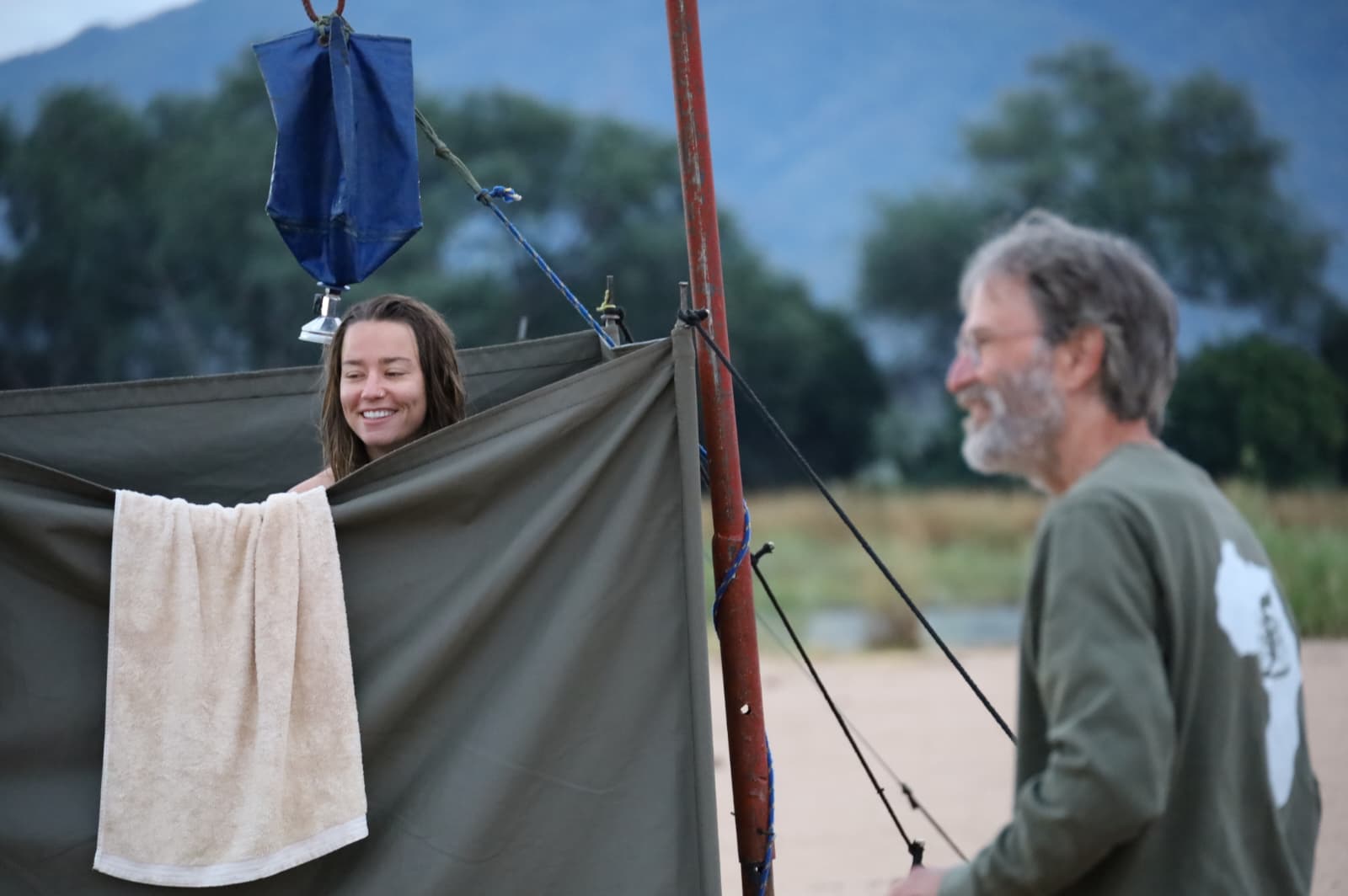
The next morning, after taking a refreshing bush shower, I looked up and spotted a hippo quietly walking less than 30 metres away. It was an unforgettable moment. Beautiful… and, if I’m honest, just a little bit nerve-racking.
Safari in Lower Zambezi National Park
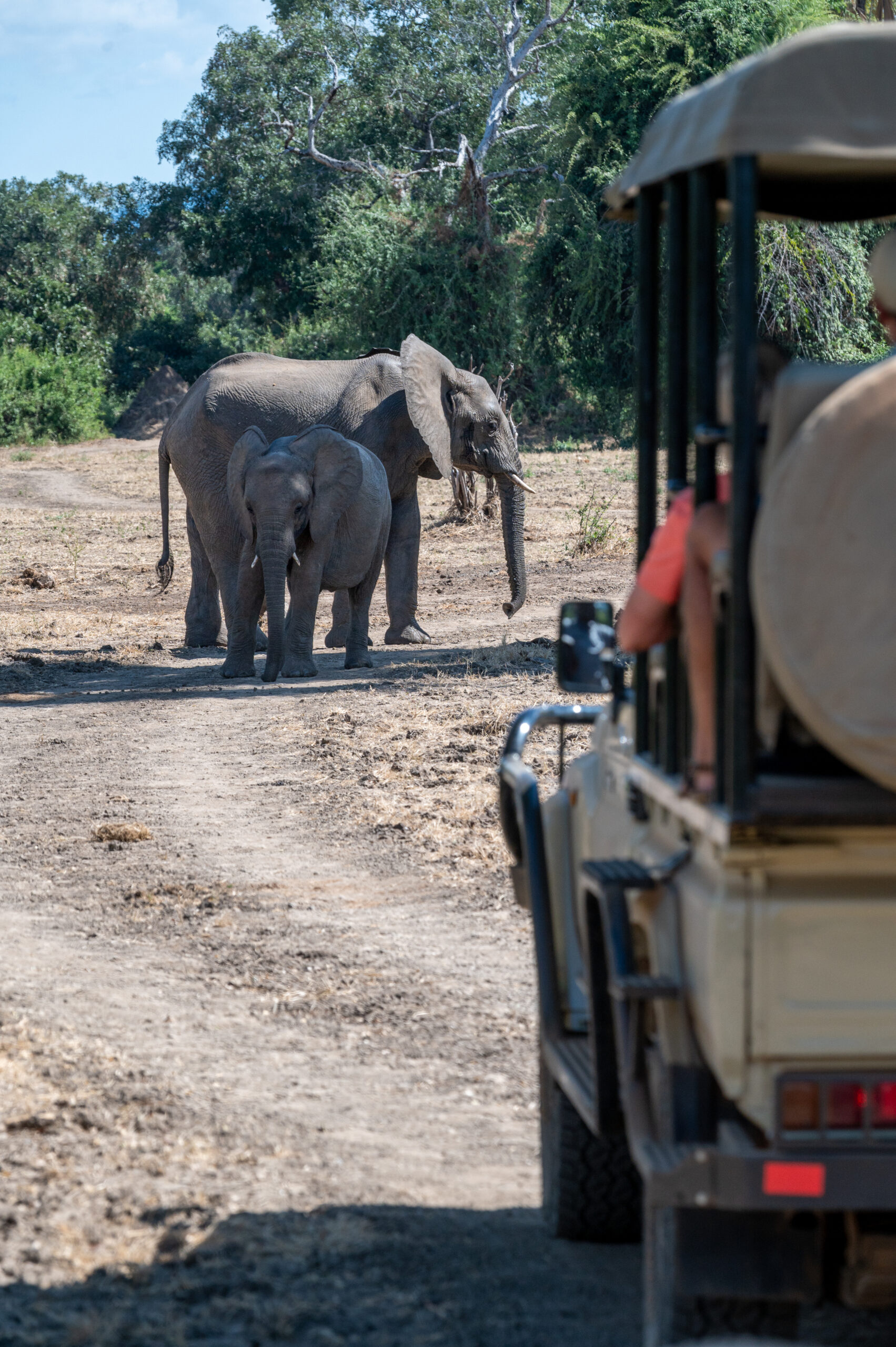
After breakfast, we climbed back into the boat and made our way to Lower Zambezi National Park. Even before we reached the park, we were already spotting wildlife along the riverbanks. Lower Zambezi National Park is one of the most beautiful places I’ve visited in southern Africa. The landscape is what makes it so special. With the Zambezi River on one side, the mountains rising in the distance and wildlife all around you, it’s an incredible setting for a game drive.
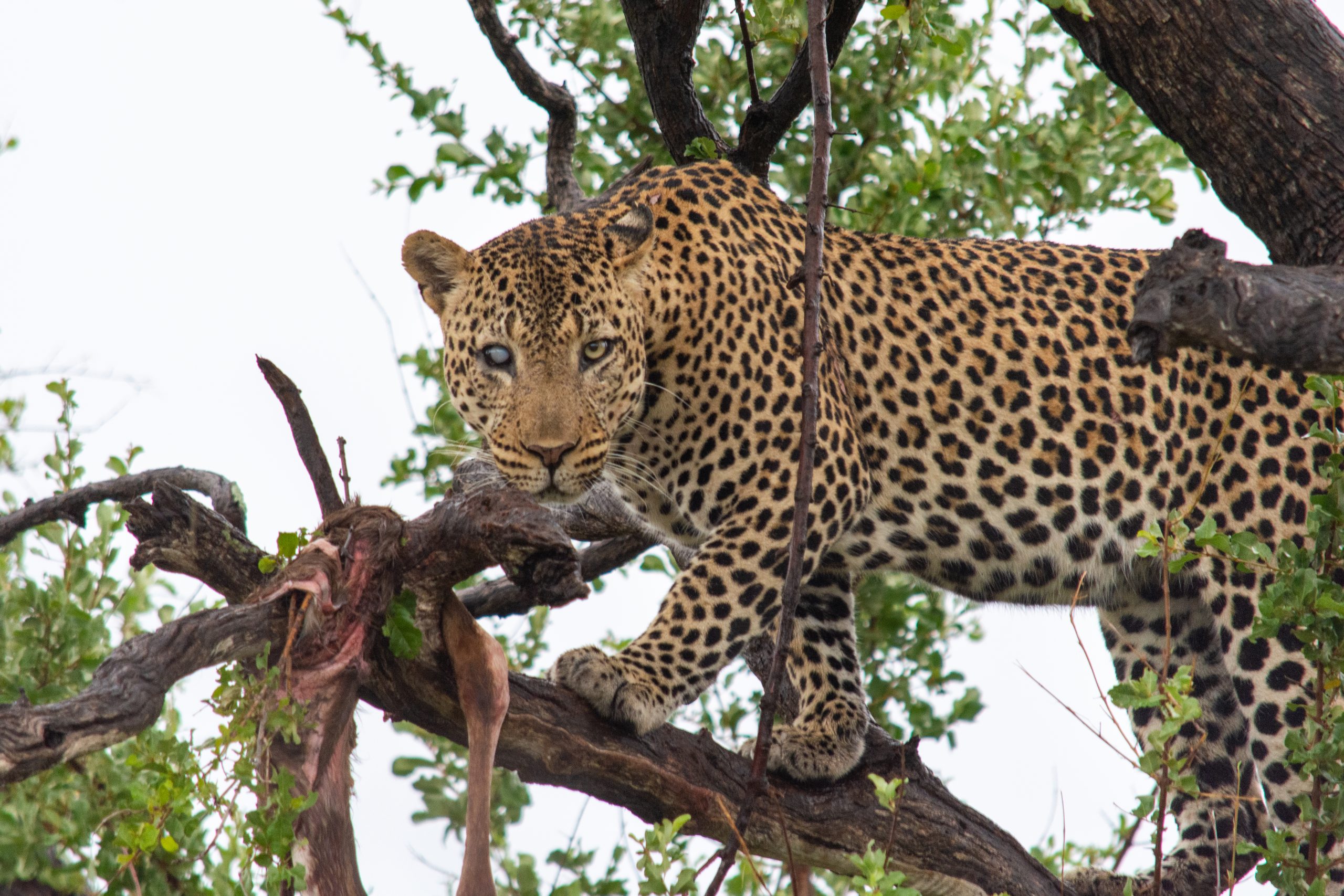
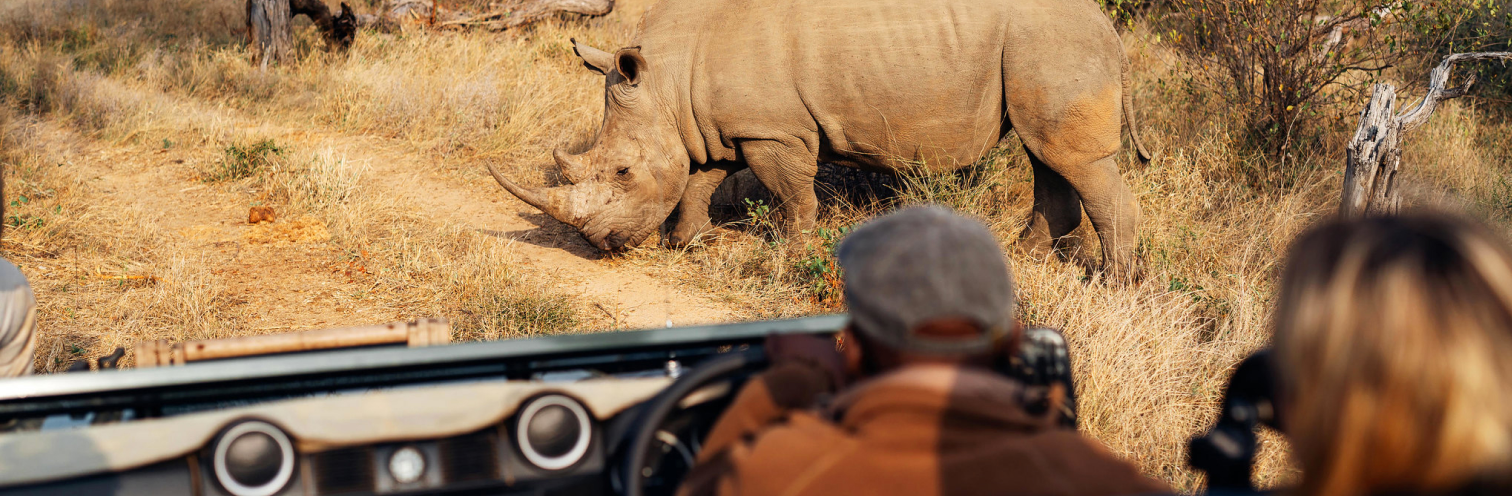
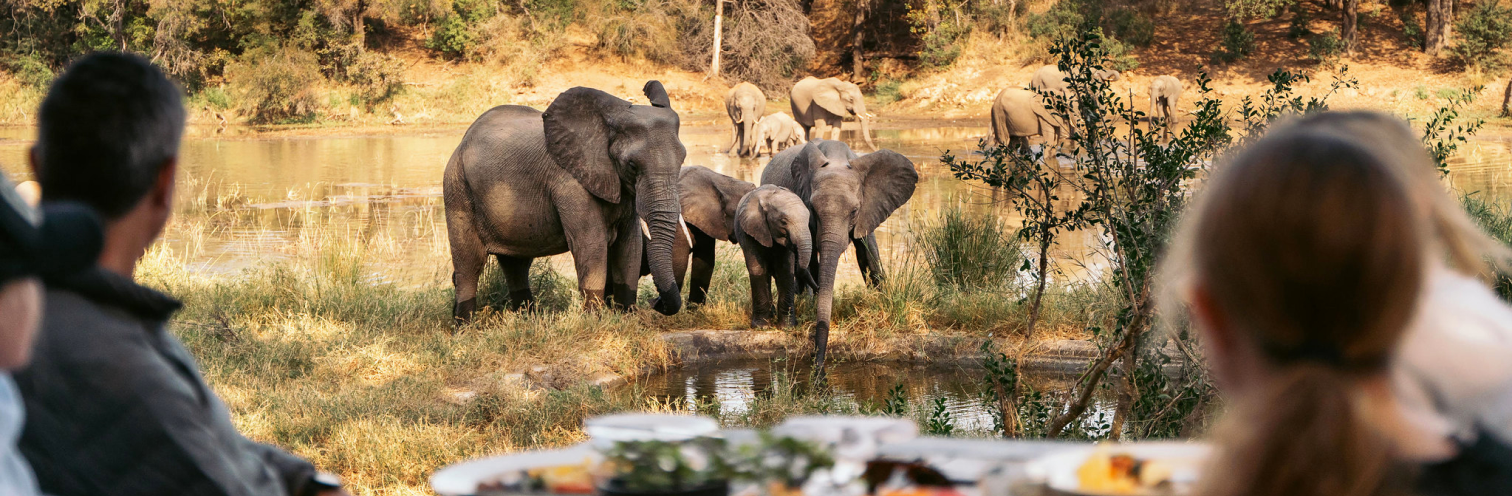
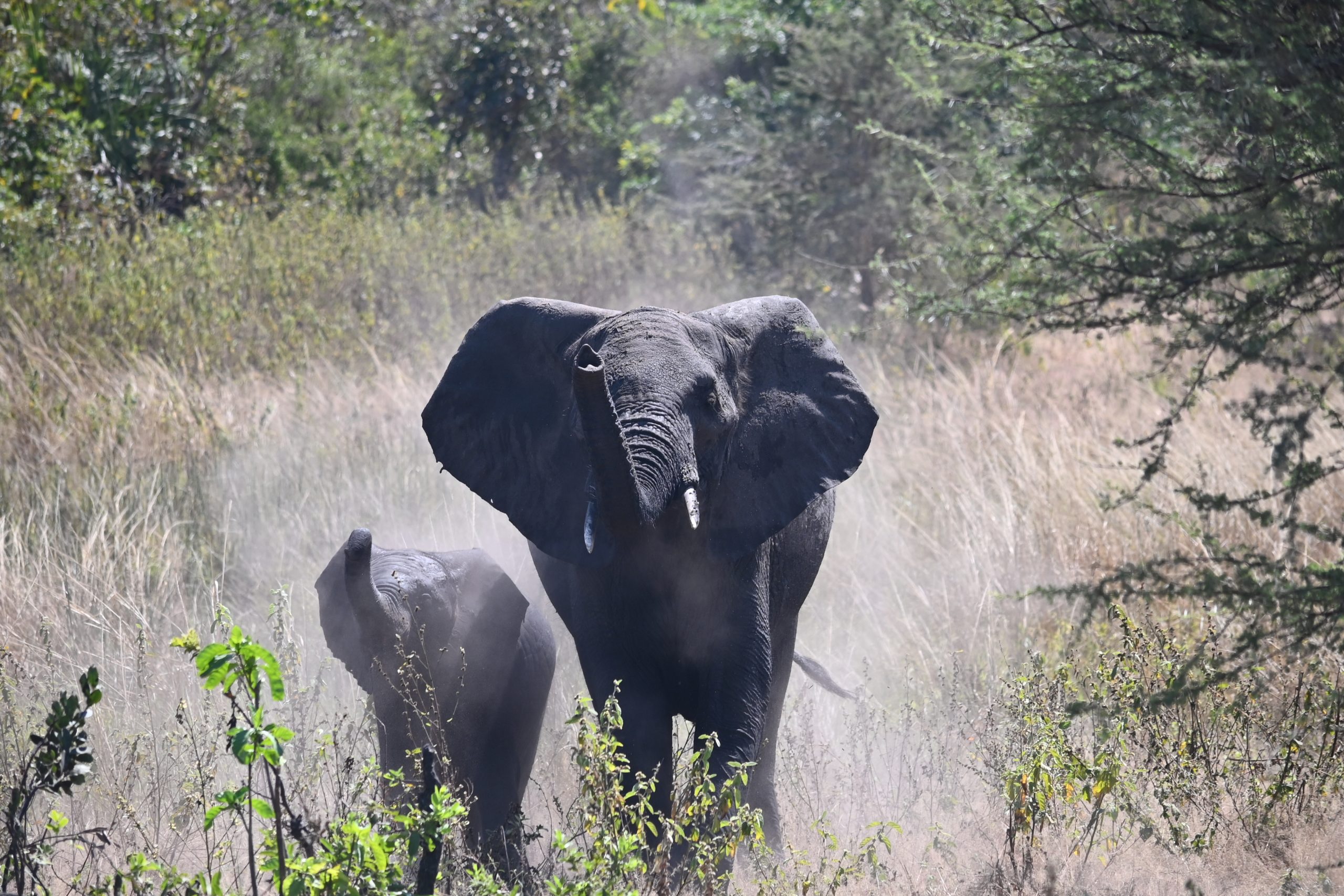
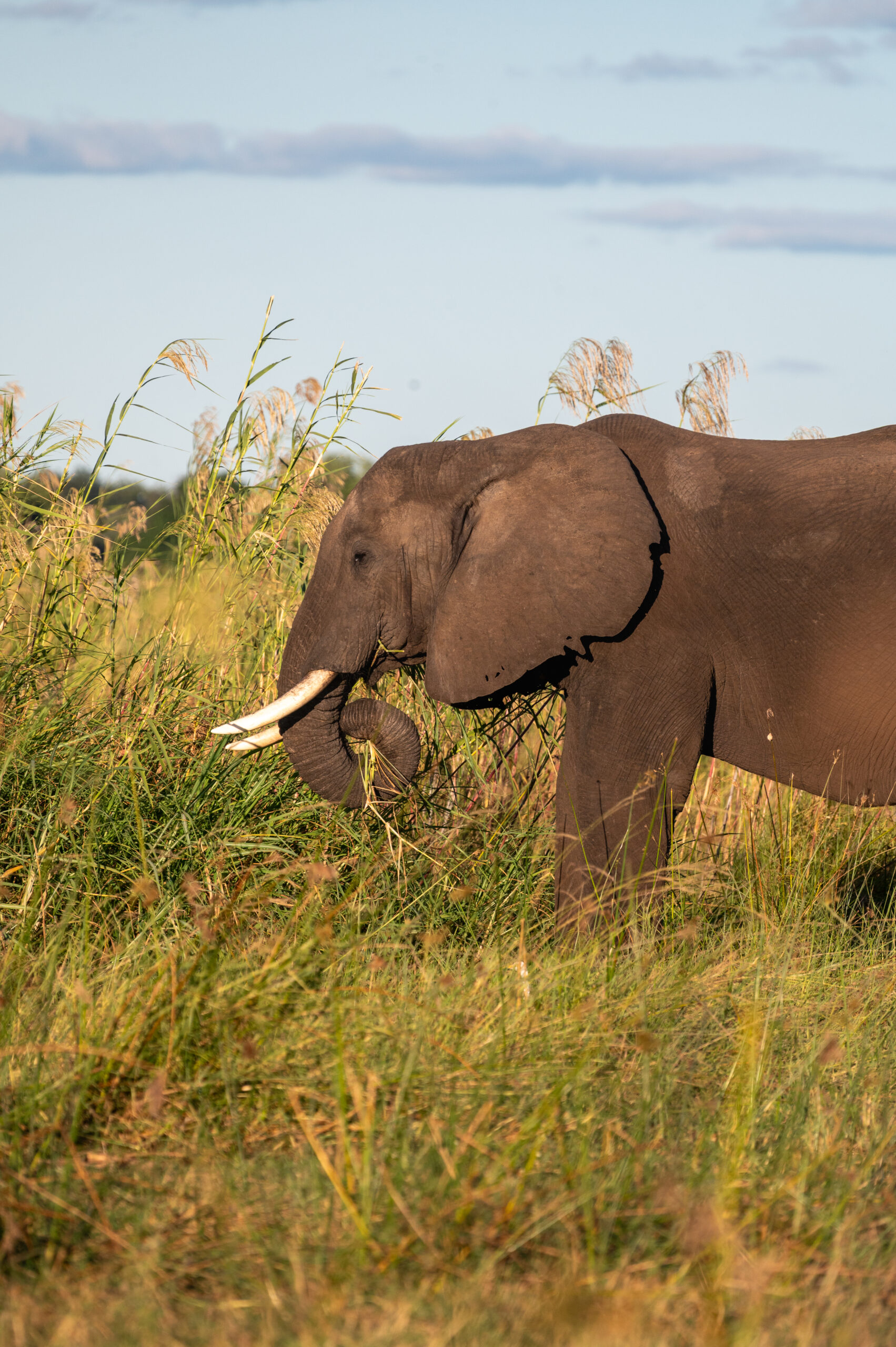
During our safari, we saw lions, large herds of elephants, impalas, warthogs and an amazing variety of birdlife. It was the perfect way to end this unforgettable journey along the Zambezi.
A Journey I Will Never Forget
The following morning, we started the drive back to Lusaka. Instead of taking the main road, we chose a quieter route through the mountains and countryside. Once again, the scenery surprised us with spectacular views, winding roads and small villages where daily life continued at its own pace.
Looking back on the journey, I realised just how much this route has to offer. From the power of Victoria Falls and the history of Zimbabwe to the vast waters of Lake Kariba, the mighty Zambezi and the untouched wilderness of Lower Zambezi National Park, every day felt completely different from the last. We explored this route by bike with Gravel Africa, but throughout the trip I kept thinking the same thing: this would make an incredible self-drive adventure.
If you’re looking for a journey that takes you beyond the usual tourist routes, one filled with adventure, breathtaking scenery, fascinating history and unforgettable wildlife, then I can wholeheartedly recommend following the Zambezi from Victoria Falls to Lower Zambezi National Park.
If this journey has inspired you and you’d like to experience it yourself, I’d be happy to help you plan it. Whether you prefer a self-drive adventure or a fully tailored itinerary, I’ll create a journey that matches your travel style and interests. Feel free to get in touch, I’d love to help you discover this incredible part of Africa.
.